Family & Financial Protection

Final Expense Life Insurance: The Honest Guide for Families and Seniors

Discover transparent final expense life insurance options for seniors. Compare no medical exam life insurance plans with a local policy express advisor today.

June 24, 2026

X min read

It is not easy to think about the costs that come at the end of life, but final expense life insurance can help make things simpler for families and seniors. In this guide, you can find explanations on how these policies work, who they are meant for, and what you should know before making a decision. My goal is to help you feel more at ease as you talk about this important topic.

What is final expense insurance?

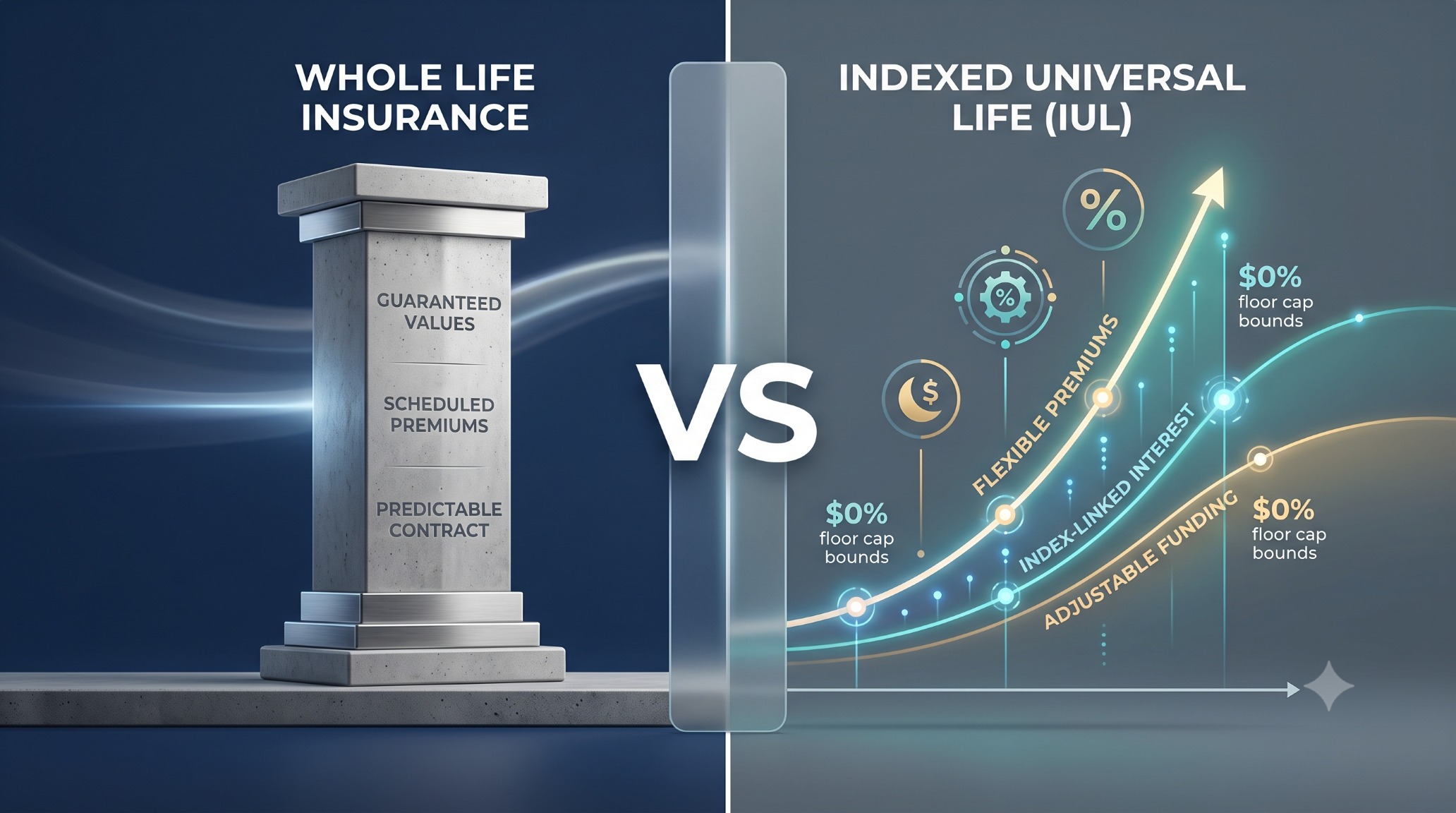
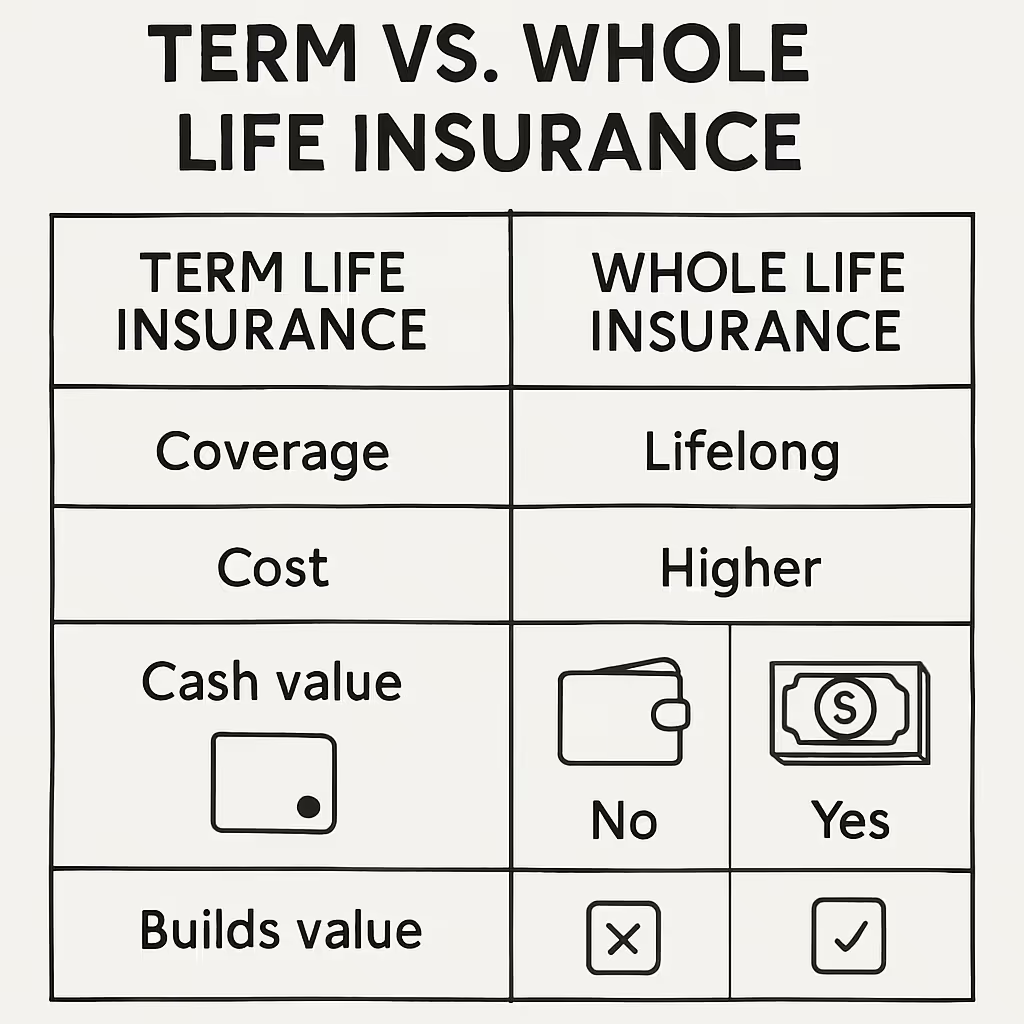
Final expense life insurance is a type of whole life policy that helps cover expenses such as funerals, medical bills, and other costs that arise at the end of life. You do not have to undergo a full medical exam to be covered, and your payments will not increase as you get older. Over time, your policy can also build up a little cash value.

This structure helps keep the policy in force for the insured's entire life, as long as premiums are paid. Unlike term products that end after a set number of years, final expense life insurance offers long-term certainty for seniors. The cash value grows over time at a fixed rate, providing a dependable financial asset.

The main feature of these policies is an easier application process, often using no-medical-exam underwriting. This approach eliminates the need for blood draws, physical checkups, or fluid testing, making it a useful option for older adults who might otherwise be excluded because of chronic health conditions. Instead of medical testing, underwriting decisions rely on brief health questions.

  • Fixed Premium Guarantees: Contract costs are guaranteed not to increase, regardless of age or changes in health.
  • Permanent Death Benefits: The coverage amount is guaranteed not to decrease, ensuring a reliable payout for beneficiaries.
  • Direct Cash Value Building: A portion of each premium payment accrues to a cash value account that grows at a fixed rate over time.
  • Simplified Enrollment Infrastructure: Applications are reviewed through direct questions, avoiding the delays of traditional underwriting.

How much does final expense insurance cost?

How much you pay for final expense insurance depends on your age, whether you are male or female, how much coverage you want, and your answers to a few health questions. Since these plans are easier to qualify for, the monthly cost is usually a bit higher than other types of life insurance that require a full medical exam.

To avoid paying for more coverage than needed, consumers should compare how different policy types affect overall affordability. Older adults looking for life insurance for seniors usually encounter three main plan types, each with a different cost level and benefit structure.

Preferred and Standard Simplified Issue Plans

These plans are usually the most affordable for seniors who have only minor health issues. You will answer a few questions about your health, like whether you have had a stroke or are being treated for cancer. If there are no major problems, you can get full coverage right away, starting from your first payment.

Graded Benefit Corporate Plans

If you have had some recent health problems, like diabetes with a few complications or past heart treatments, a graded plan might be a good fit. These plans cost more than standard ones, and the payout is on a schedule. If you pass away within the first two years, your family receives a portion of the benefit, which increases each year until it reaches the full amount.

Guaranteed Issue Protection Contracts

This option provides a reliable safety net for applicants facing serious, chronic health problems or cognitive impairments. These plans eliminate health questions and medical exams, so coverage cannot be denied based on medical history. Because the carrier accepts more risk, premiums are in the highest cost tier for cheap insurance life lookups, and the plan includes a required 24-month benefit waiting period.

Underwriting Risk Tier Analysis
Plan Type Health Question Profile Benefit Accessibility
Simplified Preferred
Graded Benefit
Guaranteed Issue
Mild/Controlled History
Moderate/Recent Conditions
None (No Rejections)
Immediate 100% Payout
Structured 2-Yr Scale
2-Year Premium Return

Is final expense life insurance worth it?

Final expense life insurance can be a good choice for seniors who do not have extra savings to cover funeral costs and want to make sure their family is not left with a sudden bill. It gives your loved ones tax-free money right when they need it most.

For many families, it is about considering the monthly cost against the peace of mind that comes with knowing final expenses are covered. Without this kind of help, loved ones can be left with big bills at a very hard time.

The Comprehensive Cost Trajectory
Immediate Estate Liquidity Unprotected Estate Exposure
  • Tax-Free Beneficiary Payout
  • Direct Funeral Home Settlement
  • Protection Of Existing Savings
  • Complete Administrative Relief
  • Sudden Credit Card Dependency
  • Vulnerability To Cost Inflation
  • Liquidation Of Family Assets
  • High-Stress Crowdsourcing Needs

Permanent final expense insurance stands out when you compare it to other ways of saving. If you just use a regular savings account, your family might have to wait months to access the funds due to legal delays.

If your family has to use credit cards or loans, they could end up with high-interest debt. With a whole life policy, the money goes straight to your loved ones, tax-free, and without any legal holdups.

💡 Agent's Perspective: Going Through the Waiting Period

A key challenge in the senior market is managing expectations regarding the 24-month waiting period for guaranteed-issue policies. I recently assisted a family where the patriarch was managing advanced Parkinson's alongside historical cardiac complications. These health factors ruled out standard immediate-coverage options.

During our kitchen table review, the family expressed frustration, noting that late-night Television ads offered immediate, unconditional payouts for pennies. I had to guide them through the realities of actuarial risk, explaining clearly that unconditional acceptance requires carriers to include a protective two-year waiting period to remain solvent.

Instead of glossing over this detail, we examined the contract's premium-plus-interest refund clause together. By explaining the policy's mechanics up front, the family felt respected and informed. They chose to move forward, knowing exactly how their protection was structured, rather than facing a frustrating surprise during a future claim.

Final Expense vs. Pre-Need Funeral Arrangements

A frequent point of confusion for seniors involves the operational differences between independent final expense protection and pre-need agreements managed directly by individual funeral homes. Although both approaches address end-of-life costs, their legal structures and financial flexibilities are entirely distinct.

Contractual Liquidity and Portable Coverage

Pre-need agreements typically bind insurance funding directly to a single, specific mortuary provider. If the insured individual moves to another state, or if the chosen funeral home goes out of business, relocating or recovering those funds can involve major legal hurdles and contract termination fees.

In contrast, an independent permanent whole life contract pays out cash directly to chosen beneficiaries. According to MoneyGeek, final expense insurance provides a death benefit that your beneficiary can use for a variety of end-of-life expenses, such as funeral and burial costs, medical bills, and small debts, offering flexibility in how the funds are spent without limiting use to a particular funeral home. Funeral home arrangements, on the other hand, typically address specific, on-site charges like caskets, burial plots, and cremation fees. However, when an individual passes, families commonly confront secondary expenses that fall outside the scope of a standard mortuary agreement.

These can include outstanding regional medical costs, unresolved credit card accounts, or travel expenses for out-of-town relatives. The cash payout from a final expense policy can be used flexibly to meet any of these important financial needs.

  • Complete Beneficiary Control: Family members maintain full authority over how the policy proceeds are distributed and managed, rather than being locked into rigid corporate packages.
  • Protection Against Business Closures: Decoupling your financial assets from local service businesses protects your family from the financial risks posed by funeral home bankruptcies.
  • Immediate Excess Fund Payouts: Any funds remaining after covering initial funeral costs belong entirely to the beneficiaries, providing extra financial support rather than being retained by the funeral provider.

Key Contractual Elements to Review With an Advisor

Before completing a permanent policy application, buyers should carefully evaluate other major contracts with a trusted advisor. This review ensures that the selected coverage is consistent with long-term household financial planning goals.

Reviewing the Contestability Period

Every life insurance contract includes a standard 24-month contestability period that begins on the initial effective date. During this time, the carrier has the statutory right to verify the accuracy of the health declarations on the application if a claim occurs.

Working with a dedicated professional at a trusted service like Life Policy Express ensures your health history is accurately documented from day one, protecting your policy against future documentation errors.

Understanding the Cost of Insurance and Cash Calculations

As policyholders grow older, the underlying actuarial risk increases. In a permanent whole life design, the premium remains flat because the contract overcharges for risk during the early years to balance out the higher risk in later years.

This mechanism allows the policy to accumulate an internal cash value. Understanding how this cash value accumulates over time helps policyholders evaluate features such as policy loans or extended-term conversions if their financial situation changes.

  • Evaluating Policy Loan Provisions: Policyholders can access their accumulated cash value through policy loans to cover unexpected financial needs, though unpaid loan balances will reduce the final payout value.
  • Confirming Premium Payment Schedules: Ensure the policy is structured as a lifetime pay design with flat premiums, rather than a modified contract with escalating premiums at specific age milestones.
  • Validating Carrier Financial Ratings: Always check that your policy is backed by an insurance provider with strong financial ratings from independent agencies, such as A.M. Best, to ensure long-term contract security.

Establishing Long-Term Family Peace of Mind

Getting final expense insurance is really about helping your family when they need it most. By planning ahead, you make sure your loved ones are not left to handle high costs on their own during a difficult time.

The Retrospective Value Roadmap
Proactive Policy Placement Unresolved Legacy Disruption
  • Structured Estate Liquid Cash
  • Clear, Respectful Transition
  • Protected Multi-Gen Assets
  • Empowered, Confident Survivors
  • Sudden Collection Interventions
  • Intra-Family Financial Disputes
  • Postponed Or Compromised Care
  • Lasting Household Economic Strain

Life Policy Express helps families make these important choices with clear information and respect. By connecting you with local advisors and avoiding call center hassles, they make it easier for seniors to protect their legacy with confidence and personal care.

References

  1. Aggregate lapsation risk. (2024). ScienceDirect. ScienceDirect Article
  2. Federal Trade Commission. (2007). Complying with the Funeral Rule. Federal Trade Commission
  3. Fitzpatrick, M. (2026). What does final expense insurance cover? MoneyGeek. MoneyGeek Article
  4. Guaranteed issue life insurance: Is it worth it? (2024). NerdWallet. NerdWallet Article
  5. LegalClarity Team. (2026). Incontestability clause: Rules, limits, and exceptions. LegalClarity. LegalClarity Article
  6. LegalClarity Team. (2026). Is there a waiting period for term life insurance? LegalClarity. LegalClarity Article
  7. Over half of Americans stumble financially after losing a loved one. Are you prepared? (2025). Kiplinger. Kiplinger Article
Headshot of Michael McMillan, Licensed Insurance Agent and President of Financialize.
Michael McMillan
President, Financialize.com LLC
NPN#:21087347
As President of Financialize and a licensed life insurance professional, he oversees a suite of modern financial platforms, including Life Policy Express, Annuities.net, and Lead Revival™. Over the last five years, he has established himself as an innovator in the industry, applying data-driven strategies to help agents succeed while ensuring consumers receive transparent, expert guidance on their financial future.
Learn More About The Author